www.DiabetesAdvice.info

Understanding the Connection: Diabetes and High Blood Pressure

Introduction: The Dual Risk of Diabetes and High Blood Pressure

Diabetes and hypertension (high blood pressure) often go hand in hand, significantly increasing the risk of severe health complications. Understanding this connection is critical for anyone managing either condition.

Diabetes is characterized by high levels of sugar (glucose) in the blood, either due to inadequate insulin production or insulin resistance. Hypertension occurs when the force of blood against artery walls is consistently too high, leading to long-term damage.

High Blood Pressure: A Key Warning Sign for Diabetes

High blood pressure can often be an early warning sign for developing diabetes. Individuals with consistently elevated blood pressure levels may be at higher risk for type 2 diabetes, especially when combined with obesity or a sedentary lifestyle.

Blood pressure measurements provide insights into cardiovascular health, reflecting underlying metabolic issues that may precede diabetes.

Is High Blood Pressure Caused by Cholesterol?

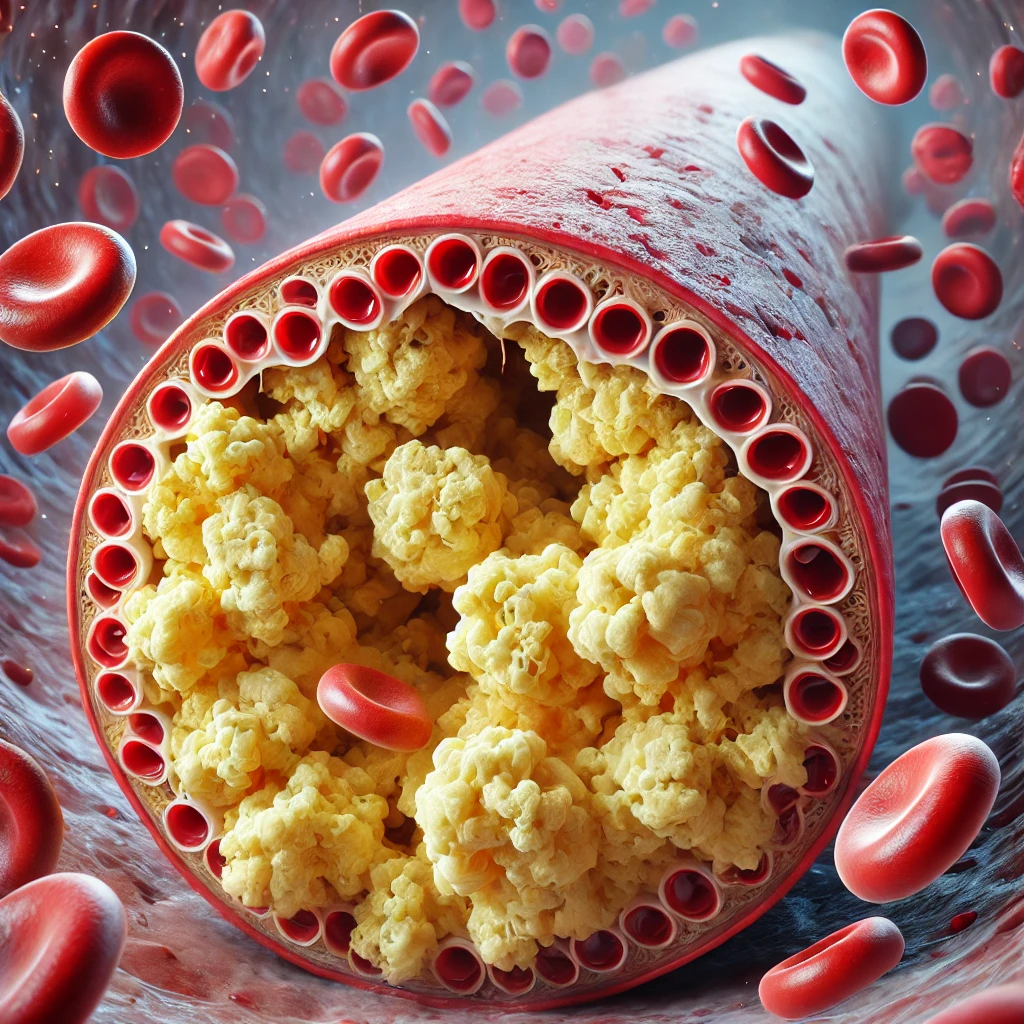
High cholesterol can contribute to high blood pressure by causing plaque build-up within artery walls, narrowing them and increasing blood pressure. While cholesterol alone doesn’t directly cause hypertension, it significantly heightens cardiovascular risks, particularly when combined with other factors such as diabetes or obesity.
The Impact of High Blood Pressure on Diabetes Management

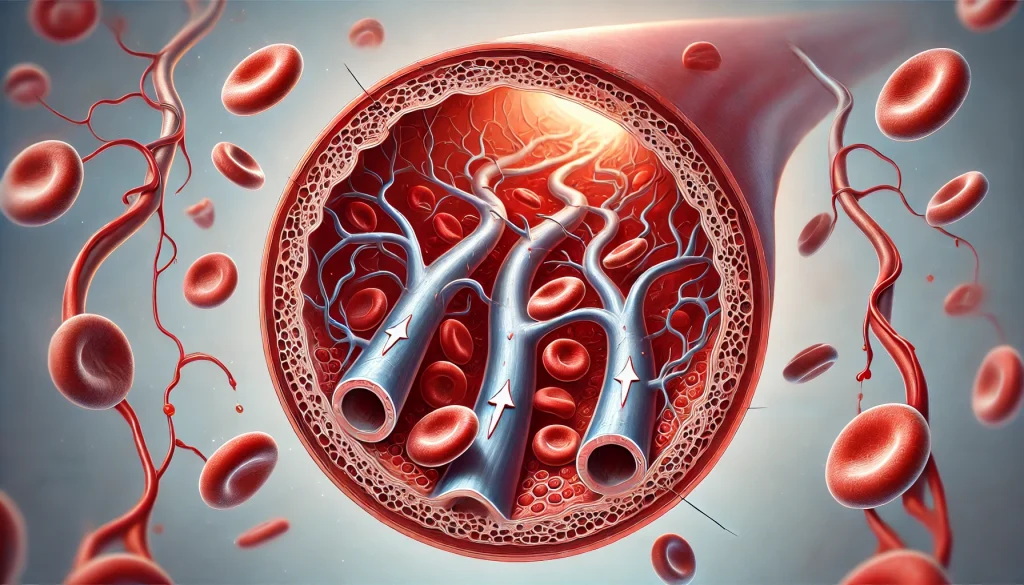
High blood pressure complicates diabetes management by making it harder to control blood sugar levels effectively. This combination greatly increases the risk of long-term damage to vital organs and requires careful monitoring and management.

Regular monitoring of both blood pressure and blood sugar is crucial for effective management.

How Hypertension Affects Your Vision

Hypertension can severely affect vision through a condition known as hypertensive retinopathy, which occurs when elevated blood pressure damages blood vessels in the eyes. Symptoms can include blurred vision, headaches, or even vision loss if untreated.

Early detection through regular eye exams is essential in managing and preventing severe vision impairment.

Other Complications of Uncontrolled High Blood Pressure

Aside from vision issues, uncontrolled hypertension can lead to serious complications such as heart disease, strokes, kidney damage, and peripheral artery disease (PAD). Each of these conditions significantly reduces quality of life and longevity.

Effects of Sugar and Starch on Veins and Swelling

High sugar and starch consumption can cause inflammation and fluid retention, leading to swelling in veins and tissues. This swelling is particularly noticeable in extremities like legs and feet, which can exacerbate circulation issues already present due to high blood pressure or diabetes.
Lifestyle Changes and Medical Interventions

Dietary changes, regular exercise, and medications are essential in managing high blood pressure and diabetes. Adopting a heart-healthy diet low in sodium, exercising regularly, and taking prescribed medications can significantly improve health outcomes.

Preventive Measures: Keeping Blood Pressure in Check

Long-term habits like daily physical activity, balanced diets, stress management, and regular medical check-ups can significantly reduce the risks associated with hypertension and diabetes.

Conclusion: Proactive Health Management for Diabetes and Hypertension

Maintaining awareness, adopting preventive measures, and ensuring regular screenings are key to effectively managing diabetes and hypertension. Always check with a licensed medical professional before making any changes to your health regimen.

Are Breads Made With Yeast Better for Diabetes

Are Breads Made With Yeast Better for Diabetes

Table 1: Glycemic Index (GI) of Various Breads Bread TypeLeavening AgentMain IngredientsApproximate Glycemic Index (GI)Yeast-Leavened BreadsWhite BreadYeastRefined wheat flour71Whole Wheat BreadYeastWhole wheat flour71Sourdough BreadWild yeastFlour, water...

Understanding Insulin Resistance and Its Impact

Understanding Insulin Resistance and Its Impact

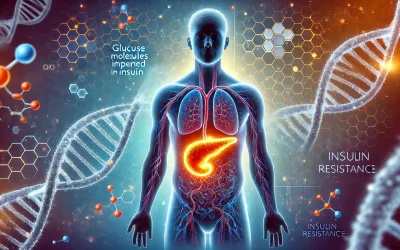
Introduction Insulin resistance is a growing concern in modern healthcare, significantly contributing to metabolic disorders such as type 2 diabetes, obesity, and cardiovascular disease. Understanding its mechanisms, risk factors, and health impacts is crucial for...

Pomegranate Fruit and Insulin Sensitivity

Pomegranate Fruit and Insulin Sensitivity

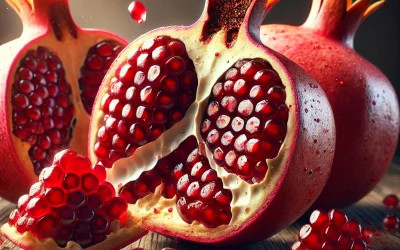
Insulin resistance is a key factor in the development of type 2 diabetes mellitus (T2DM), making its management crucial for preventing and controlling the disease. Various dietary interventions, including the use of supplements like pomegranate extract,...

Fat vs. Lard vs. Butter: A Diabetes-Focused Comparison

Fat vs. Lard vs. Butter: A Diabetes-Focused Comparison

Fats are an essential part of cooking, providing flavor, texture, and energy. However, for individuals managing diabetes, it's crucial to understand how different fats impact insulin sensitivity, heart health, and overall metabolic function. Below, we compare general...

Melted Cheese and Diabetes

Melted Cheese and Diabetes

Introduction Cheese is a widely enjoyed dairy product, often used in cooking, sandwiches, and snacks. For individuals with diabetes, understanding how melted cheese affects blood sugar levels, insulin response, and overall health is essential. This guide examines the...

Cheese Effects on Diabetes

Cheese Effects on Diabetes

Index: Introduction Dairy Products and Their Effects on Diabetes Impact on Blood Sugar and Insulin Role of Dairy in a Diabetic Diet Salt and Disinfectants in Cheese: Do They Matter for Diabetes? Types of Cheese and Their Effects on Diabetes Soft Cheeses Hard Cheeses...

Healthy Fats and Supplements for Fat Burning

Healthy Fats and Supplements for Fat Burning

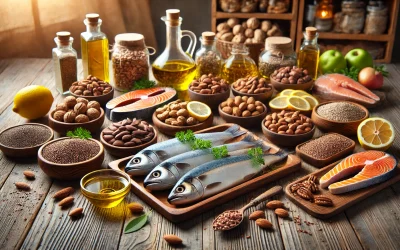
1. Introduction Brief overview of diabetes and the importance of managing fat metabolism. Purpose and scope of the article. 2. Understanding Diabetes and Fat Metabolism Explanation of diabetes types (Type 1, Type 2, Prediabetes). Relationship between insulin...

Hydration in Diabetes Management

Hydration in Diabetes Management

Maintaining proper hydration is a critical yet sometimes overlooked aspect of managing diabetes. From safeguarding kidney function to supporting overall metabolism, water plays a vital role in health. In this article, we explore the importance of staying well-hydrated...

Olive Oil and Diabetes

Olive Oil and Diabetes

Introduction Introduce the topic and explain why olive oil is being discussed in relation to diabetes. Mention the growing interest in natural dietary approaches and a forward-thinking perspective on health. What is Olive Oil? Define olive oil and its origins....

Best to Worst Vegetables for Diabetes

Best to Worst Vegetables for Diabetes

When managing diabetes, it's important to choose vegetables that have a low glycemic index (GI), high fiber content, and beneficial nutrients while avoiding those that spike blood sugar levels quickly. The best vegetables for diabetes are non-starchy, high in fiber,...

Disclaimer

This article is for informational purposes only and should not be used as a substitute for professional medical advice, diagnosis, or treatment. If you suspect you have diabetes or any related symptoms, consult a healthcare professional for an accurate diagnosis and appropriate treatment plan.

Help keep this website going, buy me a coffee.