Introduction: The Dual Risk of Diabetes and High Blood Pressure
Diabetes and hypertension (high blood pressure) often go hand in hand, significantly increasing the risk of severe health complications. Understanding this connection is critical for anyone managing either condition.
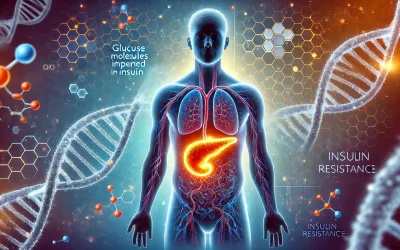
Diabetes is characterized by high levels of sugar (glucose) in the blood, either due to inadequate insulin production or insulin resistance. Hypertension occurs when the force of blood against artery walls is consistently too high, leading to long-term damage.
High Blood Pressure: A Key Warning Sign for Diabetes
High blood pressure can often be an early warning sign for developing diabetes. Individuals with consistently elevated blood pressure levels may be at higher risk for type 2 diabetes, especially when combined with obesity or a sedentary lifestyle.
Blood pressure measurements provide insights into cardiovascular health, reflecting underlying metabolic issues that may precede diabetes.
Is High Blood Pressure Caused by Cholesterol?
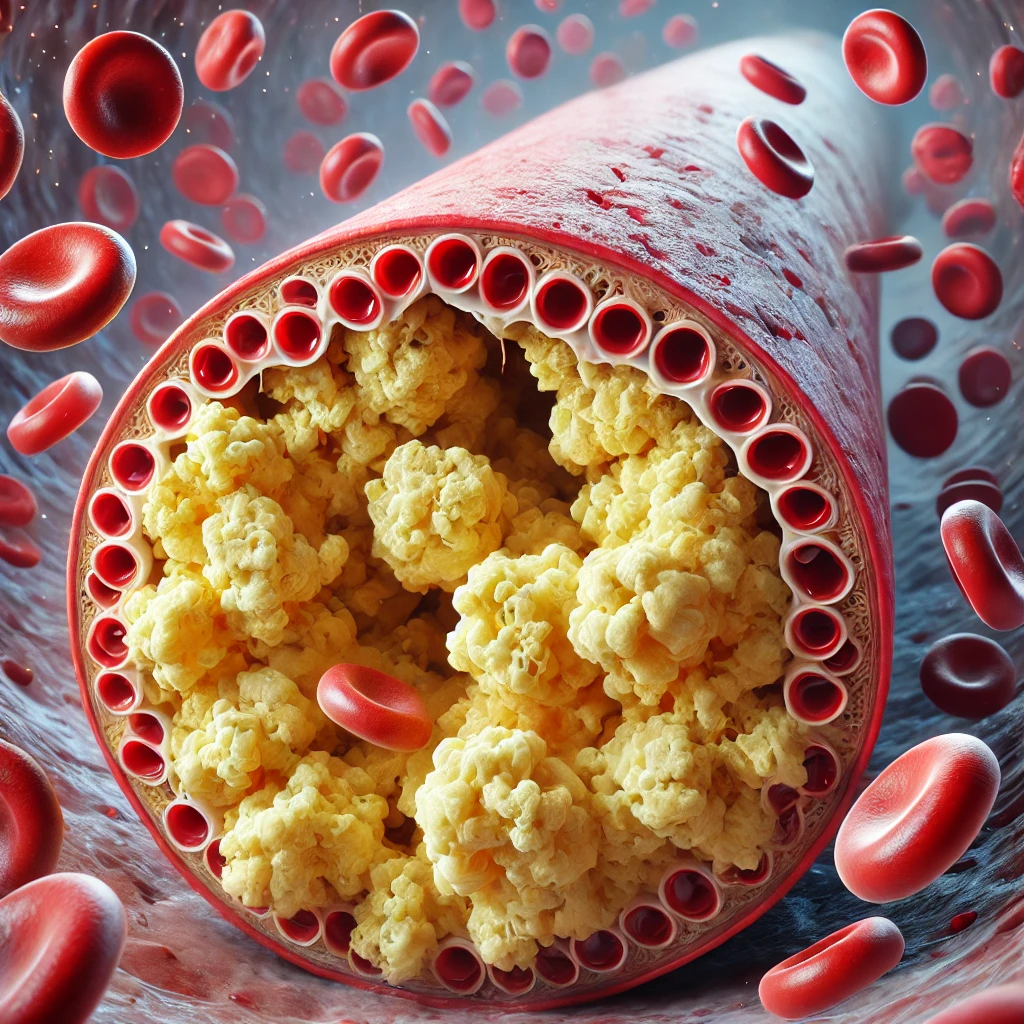
High cholesterol can contribute to high blood pressure by causing plaque build-up within artery walls, narrowing them and increasing blood pressure. While cholesterol alone doesn’t directly cause hypertension, it significantly heightens cardiovascular risks, particularly when combined with other factors such as diabetes or obesity.
The Impact of High Blood Pressure on Diabetes Management
High blood pressure complicates diabetes management by making it harder to control blood sugar levels effectively. This combination greatly increases the risk of long-term damage to vital organs and requires careful monitoring and management.
Regular monitoring of both blood pressure and blood sugar is crucial for effective management.
How Hypertension Affects Your Vision
Hypertension can severely affect vision through a condition known as hypertensive retinopathy, which occurs when elevated blood pressure damages blood vessels in the eyes. Symptoms can include blurred vision, headaches, or even vision loss if untreated.
Early detection through regular eye exams is essential in managing and preventing severe vision impairment.

Other Complications of Uncontrolled High Blood Pressure
Aside from vision issues, uncontrolled hypertension can lead to serious complications such as heart disease, strokes, kidney damage, and peripheral artery disease (PAD). Each of these conditions significantly reduces quality of life and longevity.
Effects of Sugar and Starch on Veins and Swelling
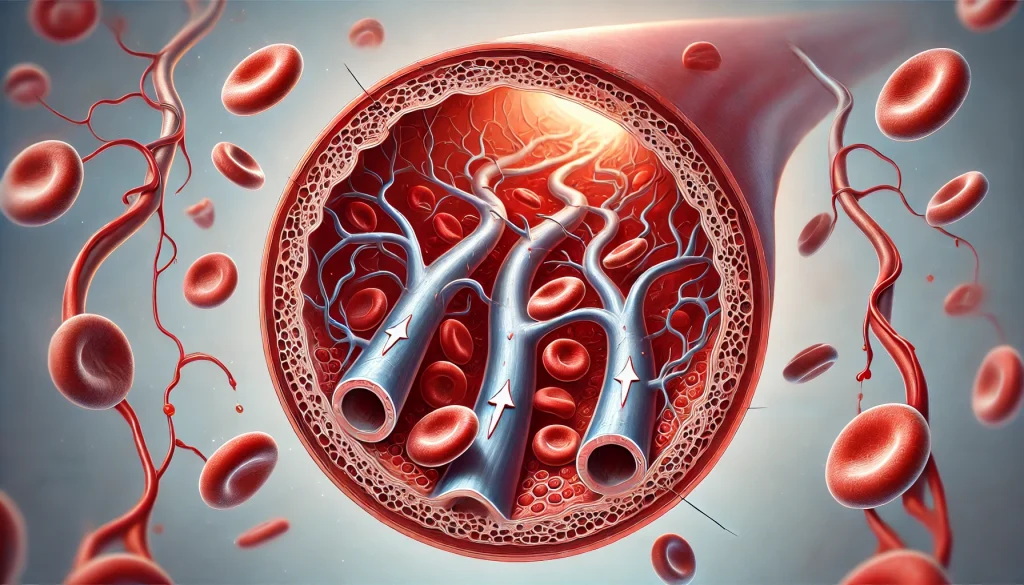
High sugar and starch consumption can cause inflammation and fluid retention, leading to swelling in veins and tissues. This swelling is particularly noticeable in extremities like legs and feet, which can exacerbate circulation issues already present due to high blood pressure or diabetes.
Lifestyle Changes and Medical Interventions
Dietary changes, regular exercise, and medications are essential in managing high blood pressure and diabetes. Adopting a heart-healthy diet low in sodium, exercising regularly, and taking prescribed medications can significantly improve health outcomes.
Preventive Measures: Keeping Blood Pressure in Check
Long-term habits like daily physical activity, balanced diets, stress management, and regular medical check-ups can significantly reduce the risks associated with hypertension and diabetes.
Conclusion: Proactive Health Management for Diabetes and Hypertension
Maintaining awareness, adopting preventive measures, and ensuring regular screenings are key to effectively managing diabetes and hypertension. Always check with a licensed medical professional before making any changes to your health regimen.