Autoimmune
A process in which the immune system mistakenly attacks the body’s own tissues, a mechanism implicated in conditions such as type 1 diabetes.
Atherosclerosis
A condition characterised by the build‐up of plaque in the arteries, which can be worsened by diabetes and increase the risk of cardiovascular disease.
Bariatric Surgery
A surgical intervention that alters the digestive system to promote weight loss, often improving glycaemic control in individuals with obesity‐related type 2 diabetes.
Body Mass Index (BMI)
A numerical measure calculated from a person’s weight and height, used to assess body fat and estimate the risk of developing diabetes.
Blood Glucose Monitoring
The regular measurement of blood sugar levels, essential for managing diabetes and preventing associated complications.
Carbohydrate Counting
A meal planning technique that involves tracking the amount of carbohydrates consumed to help maintain stable blood sugar levels.
Carbohydrates
Organic compounds that serve as a primary energy source; they break down into glucose and significantly affect blood sugar levels.
C-Peptide
A byproduct of insulin production released by the pancreas, used as an indicator of beta-cell function in diabetes.
Cholesterol
A waxy, fat-like substance present in the blood that is vital for cell function but, when imbalanced, may contribute to cardiovascular disease.
Cholesterol Ratio
A measure comparing total cholesterol to HDL cholesterol, utilised to assess cardiovascular risk, especially in diabetic individuals.
Continuous Glucose Monitoring (CGM)
A system employing a sensor placed under the skin to provide real-time tracking of blood glucose levels throughout the day.
Diabetes Complications
A range of health issues that may develop from persistently high blood sugar levels, including cardiovascular disease, neuropathy, and kidney damage.
Diabetes Mellitus
A metabolic disorder characterised by chronic hyperglycaemia resulting from defects in insulin secretion, insulin action, or both.
Diabetic Foot
A condition involving foot complications such as ulcers and infections, often arising from nerve damage and poor circulation in diabetes.
Diabetic Gastroparesis
A disorder marked by delayed stomach emptying due to nerve damage from diabetes, leading to digestive disturbances.
Diabetic Ketoacidosis (DKA)
A serious complication, primarily in type 1 diabetes, where insulin deficiency causes high ketone levels and increased blood acidity.
Diabetic Nephropathy
Kidney damage resulting from prolonged uncontrolled diabetes, which may progress to chronic kidney disease or kidney failure.
Diabetic Neuropathy
Nerve damage caused by long-term high blood sugar, typically affecting the extremities and leading to pain or loss of sensation.
Diabetic Retinopathy
An eye condition resulting from damage to the retinal blood vessels due to diabetes, potentially leading to impaired vision or blindness.
Diabetic Ulcer
A slow-healing wound, often on the foot, that develops as a result of nerve damage and reduced blood flow in people with diabetes.
Dietary Fibre
A type of carbohydrate that the body cannot digest, important for regulating blood sugar levels and promoting digestive health.
Fasting Blood Glucose
A test measuring blood sugar levels after a period of fasting, used to diagnose and monitor diabetes.
Glucose
A simple sugar that serves as the primary energy source for the body’s cells and is a key indicator in diabetes management.
Glucagon
A hormone produced by the pancreas that raises blood sugar levels, acting as a counterbalance to insulin.
Glycaemic Control
The management of blood sugar levels within a target range to reduce the risk of diabetes-related complications.
Glycaemic Index
A ranking system for carbohydrates based on their immediate impact on blood sugar, with higher values indicating a greater effect.
Glycaemic Load
A measure that considers both the quality and quantity of carbohydrates, indicating their overall impact on blood sugar levels.
Glycation
The process by which sugar molecules attach to proteins or lipids, potentially leading to cellular damage in diabetes.
Gestational Diabetes
A form of diabetes that develops during pregnancy and typically resolves after childbirth, though it raises future diabetes risk.
HbA1c (Glycated Haemoglobin)
A blood test that reflects average blood glucose levels over the past two to three months, used to assess long-term glycaemic control.
HDL Cholesterol
Often referred to as “good” cholesterol, it helps remove excess cholesterol from the bloodstream, lowering the risk of heart disease.
Hyperglycaemia
A condition characterised by abnormally high blood sugar levels, which can lead to various complications if left untreated.
Hyperlipidaemia
An elevated level of lipids in the blood, including cholesterol and triglycerides, which increases the risk of cardiovascular disease.
Hypoglycaemia
A state where blood sugar levels drop below normal, causing symptoms such as shakiness, sweating, and confusion.
Hypoglycaemic Unawareness
A condition in which an individual fails to recognise the early symptoms of low blood sugar, heightening the risk of severe hypoglycaemia.
Hypolipidaemia
An unusually low concentration of lipids in the blood, a less common condition that may be observed in certain metabolic disorders.
Insulin
A hormone produced by the pancreas that enables cells to absorb glucose, thereby lowering blood sugar levels.
Insulin Analogue
A synthetic version of insulin engineered to mimic natural insulin, often offering modified action profiles for better diabetes management.
Insulin Pump
A small, portable device that continuously delivers insulin, helping to maintain steadier blood glucose levels.
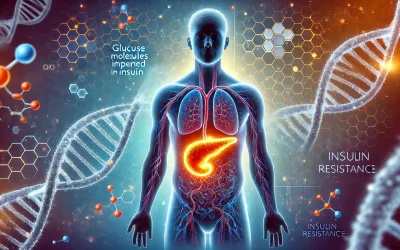
Insulin Resistance
A condition in which the body’s cells respond poorly to insulin, often leading to elevated blood sugar levels in type 2 diabetes.
Insulin Secretion
The process by which the pancreas releases insulin in response to rising blood glucose levels.
Insulin Sensitivity
The degree to which cells respond to insulin, with higher sensitivity meaning that less insulin is required to lower blood sugar.
Ketone Bodies
Compounds (acetoacetate, beta-hydroxybutyrate, and acetone) produced during fat metabolism, used as an alternative energy source when carbohydrate intake is low.
Ketosis
A metabolic state in which the body burns fat for fuel, resulting in the production of ketones as an alternative energy source.
LDL Cholesterol
Often known as “bad” cholesterol, it can accumulate in the arteries, contributing to plaque formation and cardiovascular disease.
Lipodystrophy
An abnormal distribution of body fat, which may occur at insulin injection sites in diabetic patients due to repeated injections.
Metformin
An oral medication that lowers blood sugar levels and is typically prescribed as a first-line treatment for type 2 diabetes.
Metabolic Syndrome
A cluster of conditions—including high blood pressure, elevated blood sugar, excess body fat, and abnormal cholesterol levels—that increase the risk of diabetes and cardiovascular disease.
Non-Insulin Dependent Diabetes
An alternative term for type 2 diabetes, indicating that the condition can often be managed without immediate reliance on insulin therapy.
Oral Hypoglycaemic Agents
Medications taken by mouth that help lower blood sugar levels in individuals with type 2 diabetes.
Pancreas
An abdominal organ responsible for producing digestive enzymes and hormones, including insulin, which is crucial for regulating blood sugar.
Postprandial Glucose
The measurement of blood sugar levels after eating a meal, used to assess how effectively the body manages glucose.
Pre-diabetes
A condition where blood sugar levels are elevated above normal but not high enough to be classified as diabetes, indicating an increased risk of developing the disease.
Sulphonylureas
A class of oral medications that stimulate the pancreas to produce more insulin, aiding in the management of type 2 diabetes.
Total Cholesterol
The sum of all cholesterol types in the blood, including both HDL and LDL, used to evaluate cardiovascular risk.
Triglycerides
A type of fat found in the blood; elevated levels can contribute to atherosclerosis and increase the risk of heart disease.
Type 1 Diabetes
An autoimmune condition in which the immune system attacks the insulin-producing beta cells in the pancreas, resulting in little or no insulin production.
Type 2 Diabetes
A condition characterised by insulin resistance and/or inadequate insulin production, often associated with lifestyle factors and typically developing in adulthood.
Very-Low-Density Lipoprotein (VLDL)
A type of lipoprotein that transports triglycerides in the blood, with high levels contributing to the development of cardiovascular disease.
Weight Management
The process of adopting strategies to achieve and maintain a healthy body weight, an essential aspect of preventing and managing type 2 diabetes.